Two weeks after Hugh’s death. Augusta and Johana have fallen into a pattern of checking on Celia every couple of days. The sorting is underway. The house is in that difficult middle state—not whole anymore, not yet packed.
Today Johana brings melktert. Augusta brings opinions.
“I saw her buying milk at the cafe yesterday. She’s doing better,” says Johana, coming through Celia’s gate with the melktert and Themba at her heels.
“Better than what?” says Augusta.
Johana gives her a look.
“Better than last week.”
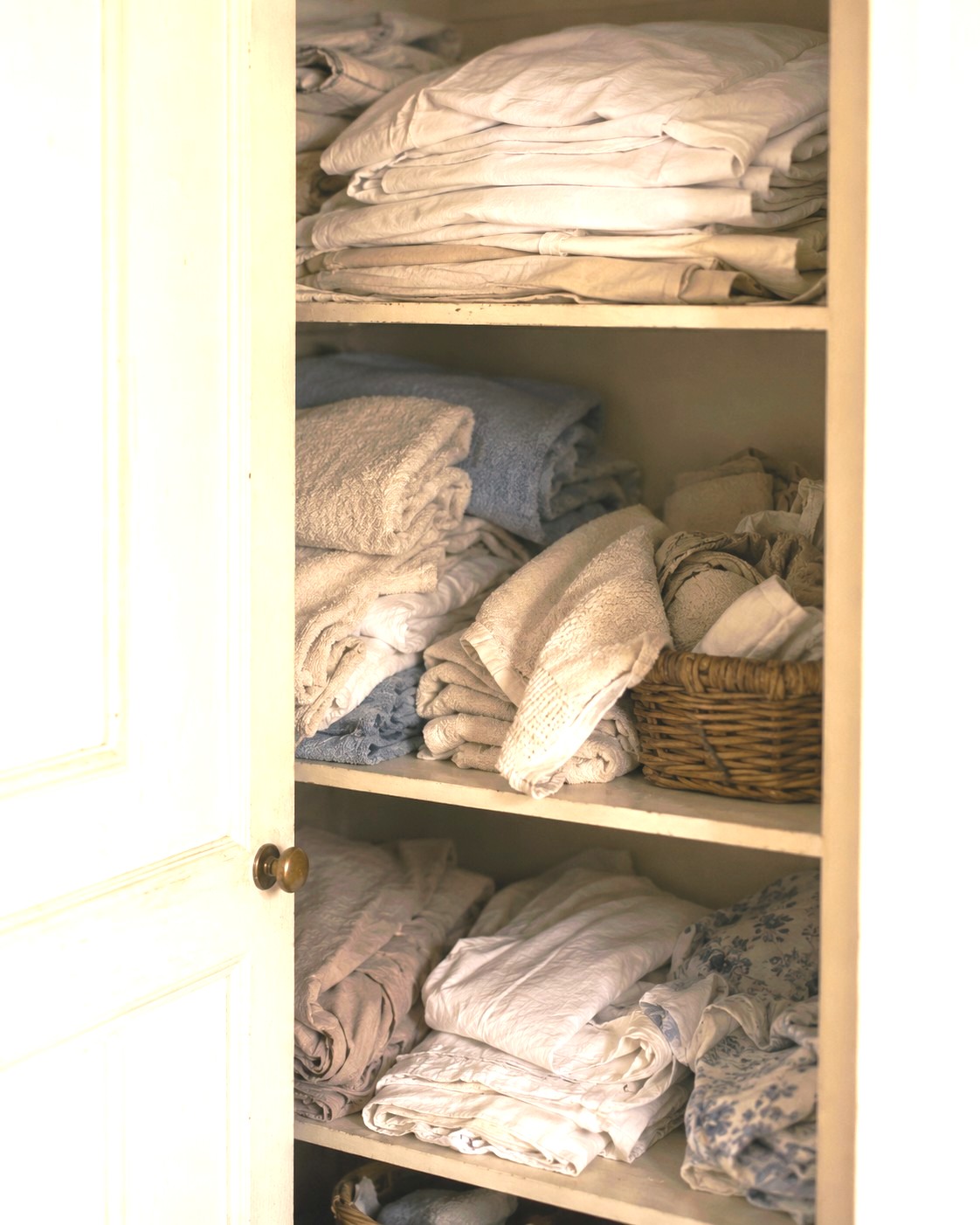
They find Celia in the linen cupboard, which Augusta considers progress. Last week she was still sitting at Hugh’s desk touching things. A linen cupboard requires decisions. Decisions require a future.
“Maggie phoned last night,” says Celia, without turning around.
Augusta and Johana wait.
“She thinks I should move to Cape Town. She’s been looking at property. Near Mark. She will be here for the memorial service and she’s going to sort everything out. She got a month and she says we can get everything done if we’re organised.”
Augusta says nothing. She takes the melktert to the kitchen, puts the kettle on, and does not say what she is thinking, which is that four weeks is not enough time to decide where you’re going to live for the rest of your life; that Cape Town is not Vernoeg; that Mark has his own life, which does not have Celia at the centre of it; and that Hugh and Celia’s beloved daughter, Maggie, is twenty-two, doing a Master’s in genetic crop manipulation at UEA in Norwich, trying to solve a problem she doesn’t yet fully understand from eleven thousand kilometres away.
She says none of this.
There is time when Maggie arrives.
They are on the stoep with their tea when Nell comes past on her afternoon walk. She stops at the gate the way she always does, and Augusta calls her in, the way she always does. It doesn’t matter that it is someone else’s’ house. Nell comes through and takes the chair nearest the wall, where the sun still reaches. Themba goes to her immediately.
She doesn’t stay long. She asks about the sorting, whether Celia has found a good lawyer yet, whether the boys have been helpful. Practical questions, asked without pressure. She finishes her tea and goes on her way.
After the gate closes, Celia watches her walk down the main street, straight-backed and unhurried.
“She seems very settled here,” says Celia. “I always thought of her a farm woman.”
“She is a farm woman,” says Johana. “But the farm belongs to Kobus now.”
Celia is quiet for a moment. She grew up on a sheep farm. She knows what that sentence means.
“They offered to build her a cottage,” says Augusta. “Kobus and his wife. Very kind. Very well meant.”
“But…” says Celia.
Augusta looks down the street to where Nell has turned the corner.
“She remembered her own mother-in-law,” she says. “The cottage would have been very comfortable. And it would have destroyed her within two years.”
Johana pours more tea.
“She went to Somerset West after Frikkie was taken ill.” So that he didn’t have to travel so far every time he needed treatment. She stayed there, near her children, for two years.
“Then she came back,” says Celia.
“She came back,” says Augusta. “It cost her. People thought she was mad. But she drove back down that main street and she knew. This is where people know who she is without her having to explain herself.”
“Mark has his own life,” says Celia finally.
“Yes,” says Augusta.
“I don’t know anyone in Cape Town.”
“No,” says Augusta.
Johana says nothing. She reaches over and refills Celia’s cup without being asked. Sometimes that is enough.
That evening Celia’s phone rings again. It is Maggie, calling from Norwich to say she has sent an email with some information. Property listings. And a spreadsheet.
Celia opens the spreadsheet. It has columns and calculations and a quality-of-life score that Maggie has worked out using criteria Celia doesn’t entirely recognise as her own.
She closes the laptop.
Through the window, the main street of Vernoeg is quiet in the evening light. The mountains have gone that particular shade of purple they take on at dusk, the one she has never seen anywhere else. The Jouberts’ new roof catches the last sun. Somewhere a hadeda announces itself unnecessarily.
She picks up her phone.
Not to call Maggie.
To call Augusta.
Next time: Maggie, Hugh and Celia’s daughter, arrives from Norwich in time for Hugh’s memorial service and to stay a while. She has a hire car, a plan, and very strong opinions. Augusta has melktert and considerably stronger ones.
Booklet: Some thoughts on: Managing Death and Retirement